When summer arrives and the temperature rises, you may find your appetite fading. You are not imagining it, it is a real, biological response. But while lighter eating might seem like a health benefit, there is a twist: it could come with a hidden risk, especially if your cravings shift toward ice cream, frozen treats and sugary drinks.

Let’s explore why hot weather affects our eating habits, how our bodies naturally compensate with more fluids and what you should watch out for when your appetite dips in the heat.
Why do we eat less in hot weather?
Body Temperature and Appetite
Heat influences our body’s hunger cues. When it’s hot, your body works harder to maintain a stable internal temperature. Digestion generates heat (this is known as diet-induced thermogenesis), so your body naturally reduces the desire to eat in order to avoid overheating. This is especially true for large, protein-heavy meals that require more energy to digest.
Hormonal Changes
High temperatures can also affect hunger-related hormones. For instance:
Ghrelin, the hormone that stimulates appetite, may be suppressed when you are overheated.
Leptin, which signals fullness, may become more active in warmer temperatures.
This hormonal shift leads to reduced hunger, especially during the hottest parts of the day.
Hydration and Satiety
In summer, we often drink more water, and that is another reason we eat less. Fluids fill the stomach and can create a feeling of fullness, even if we haven’t eaten much solid food. While hydration is essential, especially when sweating more, it can also dull hunger signals temporarily.
A chance to eat lighter and cleaner
Eating less in summer isn’t necessarily bad. In fact, it can encourage healthier habits:
More fruits and vegetables: summer produce like berries, watermelon, cucumbers and tomatoes are naturally refreshing and low in calories.
Cold meals: salads, smoothies and chilled soups become more appealing, and they are often lighter and more nutrient-dense than heavy winter fare.
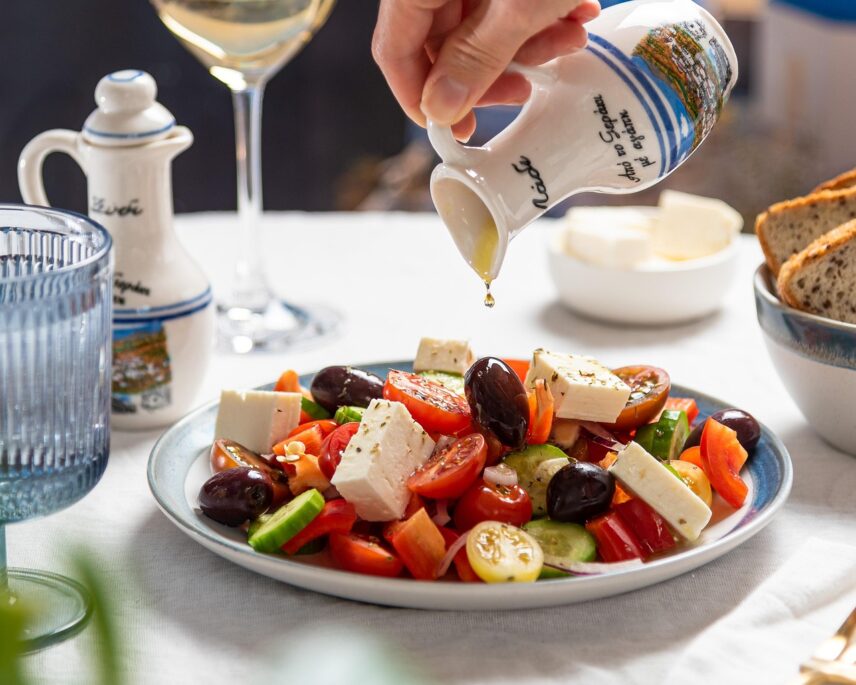
Mindful eating: with the heat slowing us down, people often eat more slowly and mindfully, improving digestion and portion control.
So far, so good, right? But here’s where things get tricky.
Sugar and frozen treats
As our bodies crave coolness, ice cream, frozen desserts, slushies and sugary iced drinks start calling our name. And here’s the problem:
1. Replacing meals with sugary snacks
Because appetite is low, many people skip balanced meals and end up snacking on sugar to “just get something down”. A bowl of ice cream feels more manageable than a hot meal, but it’s often high in added sugars, saturated fats, and empty calories, and lacks protein, fibre or essential nutrients.
2. Sugar spikes and crashes
Cold sugary drinks and frozen treats may give a temporary energy boost, but the blood sugar crash that follows can leave you feeling sluggish, irritable and even hungrier later, triggering poor food choices.
3. Long-term health risks
Regularly replacing nutritious meals with sweet treats may increase the risk of:
Weight gain
Insulin resistance
Nutritional deficiencies (especially in protein, iron, and B vitamins)
Even though summer might feel like a time of lighter eating, it could actually hide a pattern of poor nutrition if your food choices aren’t balanced.
Summer nutrition tips
The goal isn’t to force yourself to eat big meals in the heat. Instead, try these smart strategies to keep nutrition on track while working with your body’s natural rhythms:
Prioritize hydration with electrolytes
You sweat more in summer, which means you lose not just water but also sodium, potassium and magnesium. Don’t just drink water, incorporate:
Coconut water
Homemade electrolyte drinks

Lightly salted meals and snacks
Leafy greens and bananas (for potassium)
Eat smaller, more frequent meals
If a full meal feels too heavy, break your food intake into 4–5 smaller meals throughout the day. Aim for:
A protein source (chicken, tofu, eggs, yogurt)
A healthy fat (avocado, nuts, olive oil)
Hydrating fruits or vegetables
Choose frozen treats wisely
Craving something cold is totally natural. Instead of reaching for ultra-processed ice creams every day, try:
Frozen banana or berry smoothies
Greek yogurt pops with fruit
Blended watermelon ice or homemade sorbets
These are refreshing but lower in sugar and higher in nutrients.
Don’t skip meals
Skipping lunch because it’s “too hot to eat” can backfire later. Try chilled options like:
Tuna salad with cucumber and olive oil
Cold soba noodles with veggies
Hummus and whole grain pita with cherry tomatoes
Eating even a light, cold dish is better than relying on sugar to get you through the afternoon.
Summer balance
Yes, it is real. We eat less in summer and science backs that up. The heat slows our hunger, hydration increases and lighter meals become the norm. In many ways, this can be good for our health, especially if we lean into fresh produce and mindful eating.
But the flip side is just as real: the temptation to replace meals with sugar-laden frozen treats can sabotage your nutrition, spike your blood sugar and leave your body short on essential fuel.
The key? Work with your body, not against it. Stay hydrated, eat light but smart and enjoy your frozen snacks in moderation; not as a meal replacement.
