Iron is an essential mineral, crucial for producing hemoglobin, which helps transport oxygen throughout the body. Many people, especially women, vegetarians and individuals with certain health conditions may struggle to get enough iron from their diet alone. This can lead to iron deficiency causing anemia, fatigue, weakness or pale skin, conditions that are often treated with iron supplements. However, not all iron supplements are created equal and absorption can vary widely depending on the type of iron, how it’s taken and other factors.
The recommended daily iron intake varies by age, gender, and life stage. Here are the general guidelines for daily iron intake, as set by health organizations such as the World Health Organization (WHO) and the U.S. National Institutes of Health (NIH):
1. Infants and Children
- 0-6 months: 0.27 mg (adequate intake from breast milk or formula)
- 7-12 months: 11 mg
- 1-3 years: 7 mg
- 4-8 years: 10 mg
2. Adolescents
- Boys (9-13 years): 8 mg
- Girls (9-13 years): 8 mg
- Boys (14-18 years): 11 mg
- Girls (14-18 years): 15 mg (higher due to menstrual blood loss)
3. Adults
- Men (19 years and older): 8 mg
- Women (19-50 years): 18 mg (to support menstrual blood loss)
- Women (51 years and older): 8 mg (post-menopause, needs decrease)
4. Pregnant and Lactating Women
- Pregnant women: 27 mg
- Lactating women (under 18): 10 mg
- Lactating women (19 and older): 9 mg
Iron-Rich Foods and Absorption Tips
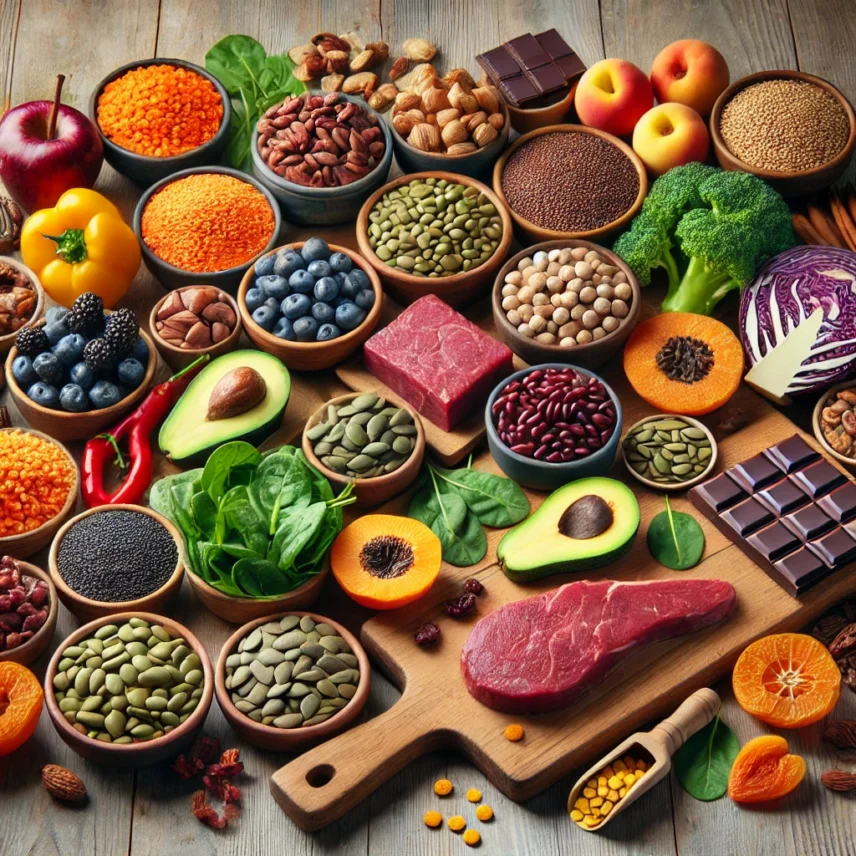
Iron from animal sources (heme iron) found in meat and fish is more easily absorbed than iron from plant sources (non-heme iron), such as lentils, beans and spinach. To enhance non-heme iron absorption, consume it with vitamin C-rich foods like oranges, strawberries or bell peppers.
In this blog post, we will explore why some iron supplements don’t absorb well, common absorption issues and how to optimize iron intake to ensure that you are getting the most from your supplement.
Why Iron Absorption is Important
Iron is available in two primary forms: heme iron and non-heme iron. Heme iron, found in animal-based foods, is more easily absorbed by the body, while non-heme iron, found in plant-based foods and most supplements, is less bioavailable. The bioavailability of iron is crucial because if your body can’t absorb it properly, the supplement won’t effectively address an iron deficiency.
The ability of your body to absorb iron from supplements can be influenced by a number of factors, including the type of iron used in the supplement, dietary habits, and even your overall health.
Common Types of Iron
There are different types of iron supplements available, each with varying levels of absorption and effectiveness. Understanding these differences can help you choose the best option for your needs.
- Ferrous Sulfate
This is one of the most common and inexpensive forms of iron supplements. It contains a high percentage of elemental iron, but it is not always well tolerated by people. One drawback is that ferrous sulfate is known to cause digestive side effects like constipation, nausea and stomach upset which can affect adherence.
Absorption:
Ferrous sulfate is relatively well absorbed, but its effectiveness can be hindered if taken with food or other substances that interfere with iron absorption.
- Ferrous Gluconate
Ferrous gluconate has a lower concentration of elemental iron compared to ferrous sulfate, making it gentler on the stomach. It’s often recommended for people who experience side effects from ferrous sulfate.
Absorption:
Though less irritating to the digestive system, ferrous gluconate is also absorbed best on an empty stomach. However, its overall bioavailability may be slightly lower than ferrous sulfate.
- Ferric Iron
Ferric iron supplements (such as ferric citrate) contain iron in its oxidized form, which must first be converted to ferrous iron before the body can absorb it. This conversion process means that ferric iron supplements are generally less effective and are absorbed at a slower rate.
Absorption:
Because of the extra step required to convert ferric to ferrous iron, ferric iron tends to be less bioavailable than other forms, making it a less ideal choice for treating iron deficiencies.
- Iron Bisglycinate
This newer form of iron is a chelated compound, which means the iron is bound to an amino acid. This binding helps prevent the gastrointestinal side effects commonly associated with other forms of iron. It is also known for better absorption because it bypasses some of the common blockers that interfere with iron absorption.
Absorption:
Iron bisglycinate is highly bioavailable, making it one of the most effective forms of iron supplements, especially for individuals with sensitive stomachs or absorption issues.
Why Some Iron Supplements Don’t Absorb Well
While the form of iron plays a big role in how well it is absorbed, there are other factors that can interfere with iron absorption, regardless of the type of supplement that you are taking. Here is a breakdown of common reasons why some iron supplements don’t absorb as effectively:
- Taking Iron with Food
Iron is best absorbed on an empty stomach, but taking it without food can often cause nausea or other digestive issues. Certain foods, particularly those rich in calcium, fiber, and tannins (such as dairy products, grains, tea, and coffee), can significantly reduce iron absorption. For instance, calcium competes with iron for absorption in the gut, while tannins and phytates can bind to iron, reducing its availability to the body.
Tip: To improve absorption, take iron supplements at least an hour before or two hours after meals, and avoid calcium-rich foods, coffee, and tea around the time you take your supplement
- Low Stomach Acid
Stomach acid plays a key role in breaking down iron, making it easier for your body to absorb. People with low stomach acid (a condition more common as people age) or those taking proton pump inhibitors (PPIs) or antacids may struggle with iron absorption. Ferric iron, in particular, is less likely to be absorbed in individuals with low stomach acid.
Tip: If you take antacids or have low stomach acid, talk to your healthcare provider about adjusting your supplement type or dosage.
- Poor Gut Health
Iron absorption occurs primarily in the small intestine. If you have any gastrointestinal issues, such as inflammatory bowel disease (IBD), celiac disease or irritable bowel syndrome (IBS), your ability to absorb iron may be compromised. Even people with a history of gastric bypass surgery may struggle to absorb enough iron from supplements.
Tip: In cases where gut health is affecting iron absorption, intravenous iron therapy may be necessary
- Medications
Certain medications can interfere with iron absorption. For example, antibiotics like tetracyclines or antacids that contain calcium or magnesium can reduce how well your body absorbs iron. Thyroid medications and some anti-inflammatory drugs may also interact with iron, reducing its effectiveness.
Tip: Always check with your doctor or pharmacist about potential interactions between your medications and iron supplements.
How to Enhance Iron Absorption
If you’ve struggled with iron supplements in the past or aren’t seeing the results you expect, consider the following strategies to enhance absorption:
- Pair with Vitamin C
Vitamin C significantly enhances iron absorption by converting ferric iron into its more absorbable ferrous form. Taking an iron supplement with a glass of orange juice or alongside a vitamin C supplement can increase how much iron your body takes in.
- Avoid Iron Blockers
Calcium, dairy products, coffee, tea and high-fiber foods can all inhibit iron absorption. Be mindful of when you consume these foods in relation to your iron supplement.
- Split Doses
If you need a high dose of iron, splitting it into smaller doses throughout the day can help improve absorption and reduce side effects like nausea or constipation.
Conclusion: Choosing the Right Iron Supplement
When it comes to iron supplements, the key is not just the amount of iron, but how well your body can absorb it. Factors such as the form of iron, timing and diet all play crucial roles in how much of the supplement will benefit your body. For individuals with absorption issues, switching to a highly bioavailable form, such as iron bisglycinate, or taking steps to enhance absorption with vitamin C can make a big difference.
If you’re unsure which supplement is right for you or if you’re not seeing improvements in your iron levels, it’s a good idea to consult with your healthcare provider for a tailored advice. Proper supplementation can correct deficiencies and help you regain your energy, focus and overall well-being.
