In the last decade, the way we order and consume food has radically transformed. With the advent of food delivery apps like Uber Eats, Deliveroo, and Just Eat, eating out has become as simple as tapping a few buttons on our smartphones. These platforms provide unparalleled convenience, offering a wide variety of cuisines at our fingertips. However, the convenience of food apps has also contributed to a shift in our daily routines, one that promotes a more sedentary lifestyle. This article delves into the implications of this growing trend and explores whether food apps are enabling an unhealthy lifestyle or simply responding to the demands of modern living.
The Convenience of Food Delivery Apps: A Double-Edged Sword
Food delivery apps have undoubtedly made life easier for millions of people worldwide. The sheer convenience of having a meal delivered to your door within minutes has fundamentally changed how we think about food. In a fast-paced world, where work schedules are tight and time seems to slip away, these apps provide a solution to one of the most basic human needs—eating—without requiring us to leave the comfort of our homes or workplaces.
But as the saying goes, convenience often comes at a cost. While food delivery apps solve the problem of hunger quickly and easily, they are also contributing to a growing sedentary lifestyle. Rather than walking to a restaurant or grocery store, or even standing in a kitchen to cook, we can now order a meal without moving more than a few steps from the couch. This “sit and click” behavior, when combined with already existing sedentary habits such as long hours of sitting at desks, watching TV, or playing video games, creates a concerning trend that may have serious health consequences.
Impact on Health
A sedentary lifestyle, characterized by prolonged periods of sitting or inactivity, has been linked to a range of health issues. According to the World Health Organization (WHO), physical inactivity is one of the leading risk factors for global mortality, contributing to over 3 million preventable deaths each year. Prolonged sitting is associated with conditions like obesity, cardiovascular disease, type 2 diabetes, and even some cancers. In fact, research suggests that even if you engage in regular exercise, it may not be enough to offset the negative effects of excessive sitting throughout the day.
The use of food apps may not directly cause sedentary behavior, but it certainly supports it. Before the era of food delivery apps, getting food required some level of physical activity, whether it was walking to a restaurant, grocery shopping, or preparing meals at home. Today, many people order food online multiple times a week, if not daily, especially during busy workweeks or on weekends when relaxation is prioritized.

The COVID-19 pandemic exacerbated this trend, with more people working from home and relying on delivery services to avoid exposure. Even as the pandemic recedes, the habits developed during this time—ordering in instead of dining out, staying home instead of engaging in outdoor activities—have remained entrenched for many.
The Psychology Behind Food Delivery Apps
The success of food delivery apps is not just about convenience; it’s also about psychology. These apps are designed to make the process of ordering food as seamless as possible. The bright, colorful images of food, user-friendly interfaces, and promotional deals create a dopamine-fueled experience that triggers instant gratification. The act of ordering food from an app becomes a pleasurable experience in itself, tapping into the brain’s reward system much like social media or online shopping does.
Moreover, many food delivery apps use algorithms to recommend meals based on your previous orders or what’s trending. These personalized suggestions can make it even more tempting to order food that may not necessarily align with healthy eating habits. The convenience of a food delivery app makes it easier to give in to cravings, leading to more frequent consumption of high-calorie, low-nutrient meals. Coupled with a sedentary lifestyle, this can significantly increase the risk of weight gain and related health issues.
Nutritional Concerns
A major concern with food delivery apps is the quality of food being consumed. While many apps offer a wide range of healthy options, they also make it incredibly easy to order calorie-dense, nutritionally poor meals. Fast food, fried items, sugary beverages, and oversized portions are often just a click away. Research has shown that people tend to make less healthy food choices when ordering delivery compared to dining out or preparing meals at home.
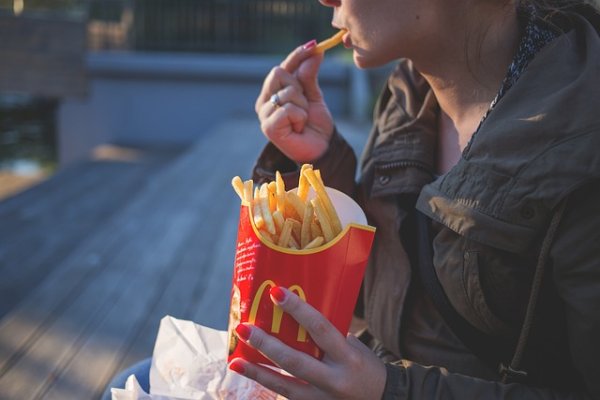
When we cook at home, we have more control over portion sizes, ingredients, and cooking methods. Food delivery, on the other hand, often comes in large portions, with excessive amounts of salt, sugar, and unhealthy fats. Moreover, the marketing strategies used by food delivery platforms often promote indulgent options—think “buy one, get one free” pizza deals or discounted desserts—which further encourages unhealthy eating patterns.
Over time, consistently making poor food choices can lead to weight gain, nutrient deficiencies, and a higher risk of developing chronic diseases such as hypertension, heart disease, and diabetes. This is particularly concerning in societies where food delivery apps have become ingrained in daily life.
The Social and Cultural Impact
Beyond health, the rise of food delivery apps has also impacted our social and cultural relationship with food. Traditionally, food has been a communal experience—whether shared with family, friends, or coworkers. Dining out or cooking at home provides opportunities for social interaction, connection, and even relaxation. With the rise of food delivery, however, these social aspects of eating are diminished.
Many people now eat alone while working at their desks or in front of a screen, further reinforcing isolation and detachment from mindful eating. The lack of physical movement and social engagement around food can contribute to mental health issues such as anxiety, depression, and stress. The social benefits of eating with others or preparing food with loved ones are lost when food is simply delivered and consumed in isolation.
Combating the Negative Effects: Finding Balance
So, how can we enjoy the convenience of food delivery apps without falling into the trap of a sedentary lifestyle and poor nutrition? The key lies in finding balance and making conscious choices about both our food and our activity levels.
- Mindful Ordering: Be aware of what you’re ordering. Opt for healthier options when using food apps, such as salads, grilled proteins, or meals with whole grains and vegetables. Many food delivery apps now feature restaurants that focus on healthy, organic, or plant-based meals—take advantage of these offerings.
- Set Boundaries: Limit how often you order food through apps. Instead of relying on delivery every day, set a rule for yourself to cook at home a few times a week. Meal prepping on weekends can make cooking during the week easier and quicker, reducing the temptation to order in.
- Incorporate Movement: If you order food through an app, make sure it doesn’t replace other opportunities for physical activity. Even if you don’t have time for a full workout, incorporate movement into your day by walking, stretching, or doing quick home exercises. Consider walking to pick up your order instead of having it delivered, if the option exists.
- Reintroduce Social Eating: Make an effort to share meals with friends or family, even if you are ordering in. Eating together can enhance the experience and encourage healthier eating habits.
- Use the Apps Wisely: Take advantage of the filters and settings within food apps that allow you to prioritize healthier options. Some apps allow you to customize meals or view nutritional information, which can help guide better decisions.

Conclusion: A Balanced Approach to Convenience
Food delivery apps are undoubtedly a part of modern life, and their convenience cannot be denied. However, the rise of these apps has coincided with an increase in sedentary behavior, poorer food choices, and a decline in social eating traditions. While food apps are not solely responsible for these trends, they do play a significant role in enabling them.
By making mindful decisions about how often and what we order, as well as balancing our food choices with regular physical activity, we can mitigate some of the negative health effects associated with the sedentary lifestyle that food apps may inadvertently promote. Ultimately, it’s about finding a balance between convenience and well-being—a challenge that each of us must navigate in our increasingly app-driven world.
