Every year, bladder cancer is diagnosed in about 430,000 people worldwide. It is estimated to be three times more likely to affect men than women. The risk of bladder cancer increases with both age and smoking, but micronutrient deficiencies could provide a possible explanation as to why a population that consumes the least fruit and vegetable have double the cancer rate.
The effect of fruit and vegetables on the risk of bladder cancer has been widely studied but, until recently, data on the role of specific micronutrients was lacking.
Some findings published have found that increased intake of vitamin E, carotenoids, niacin, thiamin and vitamin D may reduce the risk of bladder cancer in certain at-risk groups (1).
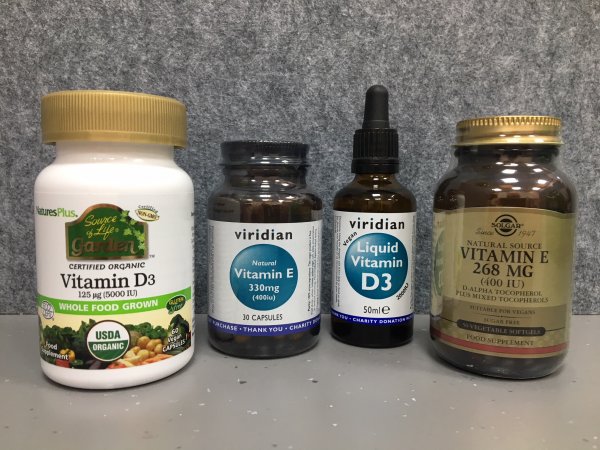
Research analysed dietary data from 322 people with bladder cancer and 239 healthy controls, using a 121 item, food frequency questionnaire. Participants were asked about their usual dietary intake of dairy, fruit, vegetables, eggs and meat, breads, beverages and baked foods, for the previous 12-month period, along with supplement intake and duration.
Nutrient intake was then calculated by multiplying the frequency of each food supplement item by the nutrient content for the specific portion size or supplement. Odds ratios (ORs) and 95% confidence intervals (CIs) were then calculated, using logistic regression and adjusted for sex, age, smoking characteristics and energy intake.
Smokers and elderlies
Results showed an inverse association of borderline statistical significance between bladder cancer and total intake of vitamin E and dietary phosphorus in the whole study population. Although when the researches focused their analysis on smoking and elderly subgroups, higher intakes of carotenoids, vitamin D, thiamin, niacin and vitamin E were also associated with reduced odds of bladder cancer.
An extract from the study highlights says that bladder cancer typically affects older people and bioavailability of B-group vitamins may be compromised in that demographic by some drugs or medication. According to the study vitamin E, like carotenoids, acts as an antioxidant and it could be beneficial under conditions of the greatest oxidative stress such as smoking or ageing.
