Sales of “vegan milk” or vegetables drinks increased exponentially in the UK and across the world, year by year. The Vegan Society estimates that non-diary beverages will reach sales of 565 million pounds by 2025. This represents a double growth compared with the period before the pandemic when sales were around 250 million pounds. Although this seems to be a novel trend, people were using vegan drinks for centuries. For example, almond milk appeared in a Baghdabi Egyptian cookbook in the 13th century and we have the similar situation with soya milk with the first documented use going back to the 14th century.
Soya milk has been a staple of the East Asian cuisine for thousands of years. In its simple form, it is made by soaking soybeans overnight, then by grinding them in water. The beverage was commercially introduced in the United States in the 1970s and, from that moment, it gained popularity, especially for lactose intolerant people. Its popularity opened the door for multiple alternatives to dairy. Almond, coconut, rice, cashew, hazelnut… However, before all these non-dairy drinks became so popular, they were relatively nutritious. Unfortunately, it’s a totally different story when you grab your almond milk from the shop these days.
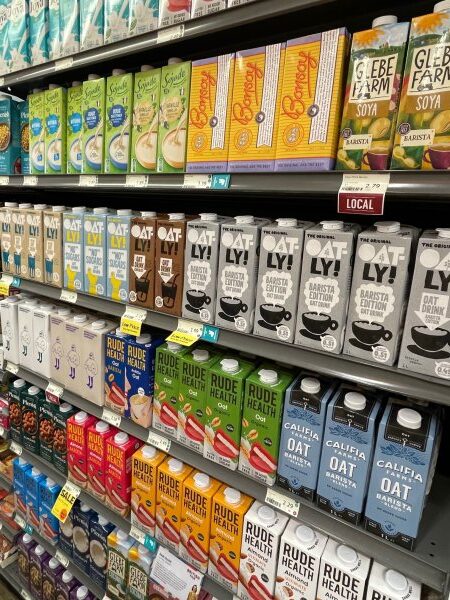
Vegan beverages are full of sugar and artificial flavouring. In many cases, you pay for tinted sweet water. Even the organic, unsweetened options contain odd ingredients to imitate cow’s milk. Plus, the real nut content hardly hits 7 or 8% per litre. Besides many weird additives, one of the of most common is carrageenan. It is a type of thickening agent mainly used in hundreds of unhealthy ultra-processed foods. Carrageenan comes from a seaweed which should be a healthy option but, nevertheless, research shows that it causes cancer in lab rats. Although this additive is not linked to cancer in humans, it has been associated with ulcers, leaky gut and inflammation in the body. Therefore, it has no nutritional value. As an example, a product that you can see in the photo below despite being marketed as an almond drink contains only 2% almonds, most of it is water and some pro-inflammatory sunflower oil.

Proinflammatory omega 6
Other thickeners present in most of the non-dairy drinks are xanthan gum, guar gum, locust bean gum, gellan gum and unhealthy pro-inflammatory refine seed oils such as sunflower, rapeseed or canola oil, among the others. These types of oil are very rich in omega 6 and too much of it causes inflammation in the body. Omega 3 and 6 ratio should be 1 to 1 but, unfortunately, dietary styles these days seem far from the perfect 1:1 ratio. Up until about 100 year ago, the omega-6/3 ratio has been around 4:1 or less. However, the typical Western diet now provides an omega-6/3 ratio of approximately 20:1, in favour of omega-6. Although inflammation is a normal body’s response to infections, injuries or diseases, too much of it can lead to many chronic diseases like metabolic syndrome, type 2 diabetes, heart disease, obesity, irritable bowel syndrome, colitis, arthritis and some types of cancers.
Mass produced “vegan milk” bereft of nutrients needs to be fortified with vitamins and minerals to appear even slightly beneficial. Only soy milk has a meaningful amount of protein. But soy milk comes with its own health concerns due to the high content of phytoestrogens, which mimic oestrogen in the body. In many cases, soy milk is created with potent and hyper processed soy protein isolates instead of the whole beans.
Healthy Alternatives
For people that can’t tolerate dairy or just simply opt for vegan drinks, it would be way better and healthier to make their own milk substitutes. All that you need to do is to soak a bag of cashews, hazelnuts or almonds in a bowl and leave overnight to make them soft. The following day, blend them with water and a little vanilla extract. Soaking in water enhances their nutrients which become easier to digest and absorb. However, don’t produce a large batch as these home-made alternative drinks go rancid fast. You are better off making smaller batches, to get a tastier and safer product.
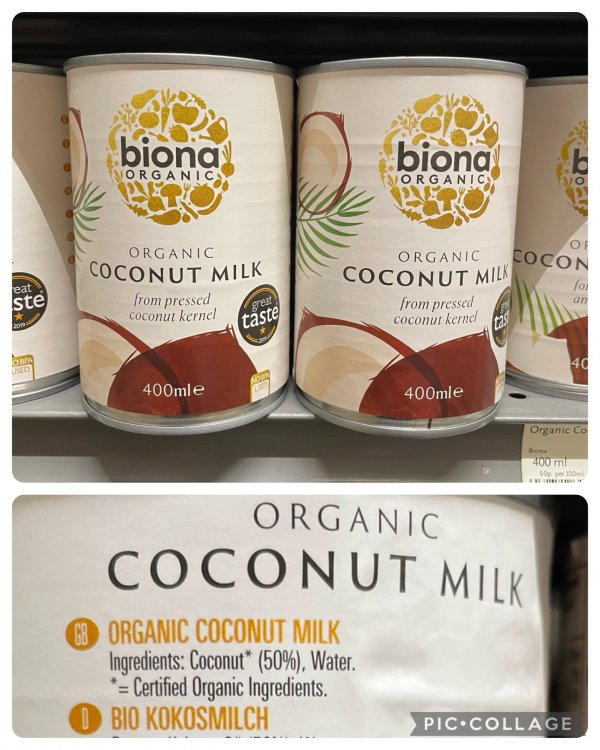
Coconut milk is a good option. It is creamy and full of medium-chain triglycerides (MCT). MCTs, categorised as super fats, increase metabolism and fat-burning processes. Many studies show that MCT fats can help with the weight loss, because the body uses them more efficiently than other fats. You can also make coconut milk at home. Buy some pure organic coconut chips, put them in a blender with hot water and then squeeze the mixture through a piece of cheesecloth to extract the milk. You will obtain a thick, creamy, tasty and delicious drink. And importantly, a more nutritious alternative beverage than any of unhealthy trending milk sold in supermarkets.
