Coenzyme Q10, or CoQ10, is a naturally occurring antioxidant found in every cell of the human body. It plays a crucial role in energy production, heart health and cellular repair. CoQ10 exists in two primary forms: ubiquinone and ubiquinol. Although they are closely related, there are significant differences between them that can affect their function and how they work within your body.
In this article, we will explore these two supplement forms of CoQ10 and help you understand which might be best for your health.
What is CoQ10?
CoQ10 is a fat-soluble substance essential for mitochondrial function, which is the powerhouse of cells. It helps produce adenosine triphosphate (ATP), the energy currency of the body. Without enough CoQ10, your cells struggle to produce the energy they need to perform vital functions. CoQ10 is also a powerful antioxidant, helping to protect cells from oxidative damage caused by free radicals. As we age, the body’s natural production of CoQ10 declines, which can lead to lower energy levels, impaired heart health and other age-related conditions. This is where supplementation comes in.
The Key Differences
The two forms of CoQ10 are ubiquinone and ubiquinol and, while they perform similar roles, they exist in different states. Ubiquinone is the oxidized form of CoQ10. It is the inactive form that is converted to ubiquinol in the body. Ubiquinol is the reduced (active) form of CoQ10, which the body can readily use. It directly contributes to cellular energy production and has potent antioxidant properties.
Though both forms serve a role in the body’s energy production cycle, ubiquinol is the version that actively neutralizes free radicals, while ubiquinone must be converted into ubiquinol to do the same.
Bioavailability and Absorption
One of the key differences between ubiquinone and ubiquinol is bioavailability, or how easily the body absorbs and utilizes them. Ubiquinol is more easily absorbed by the body because it’s already in its active form. This makes it more effective for people with impaired CoQ10 conversion ability, such as older adults or those with certain medical conditions like heart disease or diabetes. Studies have shown that ubiquinol supplements tend to raise CoQ10 levels in the bloodstream more efficiently than ubiquinone.
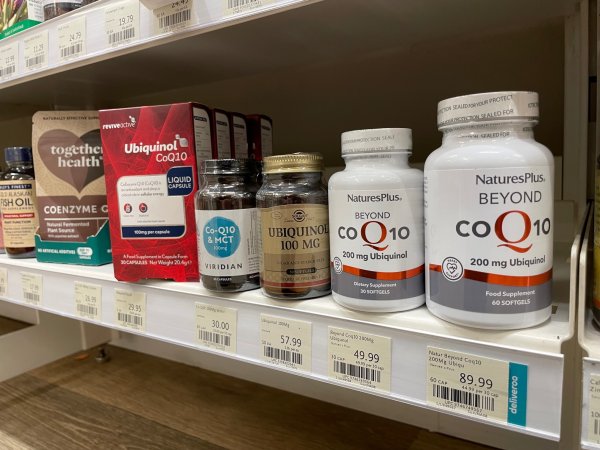
Ubiquinone, on the other hand, must be converted into ubiquinol after ingestion. This conversion is a natural part of the CoQ10 cycle in healthy individuals. For younger, healthy people, this process is generally efficient. However, as we age, the body’s ability to convert ubiquinone into ubiquinol decreases, making ubiquinol supplementation a better choice for older adults or those with specific health conditions.
Health Benefits of CoQ10
Whether in the form of ubiquinone or ubiquinol, CoQ10 provides numerous health benefits, particularly for heart health, energy production and cellular protection:
Supports Heart Health: CoQ10 is critical for the optimal functioning of the heart, which has high energy demands. Low CoQ10 levels are often associated with cardiovascular diseases and supplementing with CoQ10 can help improve heart function and reduce the risk of conditions like heart failure and hypertension.
Boosts Energy Levels: Since CoQ10 plays an essential role in energy production, supplementing can increase stamina and reduce fatigue. This can be especially beneficial for athletes or those experiencing chronic fatigue.
Powerful Antioxidant: CoQ10 helps neutralize free radicals, which are unstable molecules that can damage cells and contribute to aging and disease. Ubiquinol, in particular, is a potent antioxidant that protects cells from oxidative stress.
May Improve Skin Health: CoQ10 helps reduce wrinkles and signs of aging by protecting the skin from oxidative damage and improving energy production in skin cells.
Supports Cognitive Health: CoQ10 may help protect the brain from oxidative stress and improve cognitive function, potentially reducing the risk of neurodegenerative diseases such as Alzheimer’s and Parkinson’s.
Who Should Take Ubiquinol vs. Ubiquinone?
Both forms of CoQ10 can be beneficial, but certain individuals may benefit more from one form over the other.
Ubiquinone: This form is generally recommended for younger individuals who are still able to efficiently convert ubiquinone to ubiquinol in the body. It is often more affordable, making it a popular choice for those who do not need enhanced bioavailability.
Ubiquinol: Older adults or people with health conditions that impair their ability to convert CoQ10 should consider ubiquinol. Since the body’s ability to convert ubiquinone decreases with age, ubiquinol provides a more direct, efficient boost to CoQ10 levels. Those dealing with chronic fatigue, heart disease, or other conditions related to low CoQ10 levels may also find ubiquinol to be a better option.
Dosage and Safety
The typical recommended dose of CoQ10 ranges between 100 to 300 mg per day, although some studies use higher doses for specific health conditions. Ubiquinol is often taken in lower doses because of its higher absorption rate compared to ubiquinone.
Both forms of CoQ10 are considered safe, with very few reported side effects. However, some individuals may experience mild symptoms like nausea, headache or digestive discomfort. It’s always best to consult a healthcare provider before starting a new supplement regimen, especially if you’re taking medications for heart conditions, diabetes or other chronic illnesses.
Conclusion: Which Form is Right for You?
Choosing between ubiquinol and ubiquinone ultimately depends on your age, health status, and personal preferences. If you are young and healthy, ubiquinone may be an effective and affordable way to maintain optimal CoQ10 levels. However, if you are over 40, dealing with chronic health conditions or want to maximize absorption, ubiquinol may be the better option.
In the end, both ubiquinol and ubiquinone offer significant health benefits, particularly in terms of energy production, heart health and antioxidant protection. Consider your specific needs and consult with a healthcare professional to determine which form of CoQ10 is best for you.
